

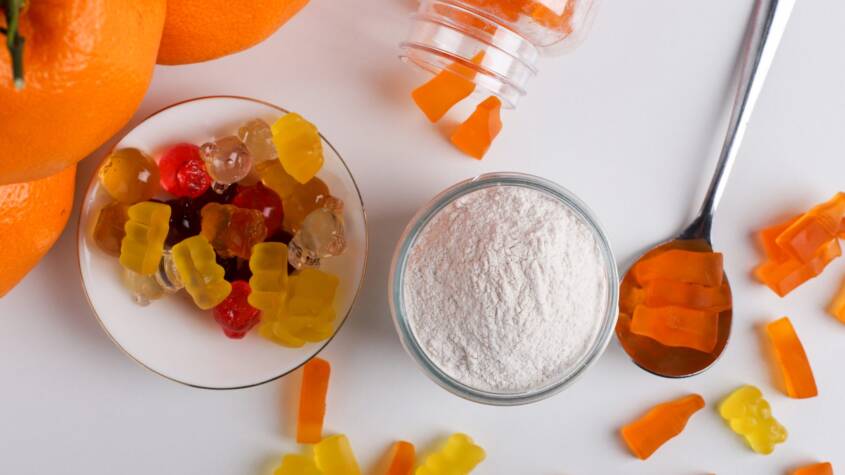
Good jam-making does not just concern fruit and sugar. In the same way, texture, spread, and shelf life are important. It is here that Pectin jam is an important ingredient. It makes jam solid, attractive and does not stick to the spoon. To food manufacturers and processors, the selection of the appropriate pectin increases the consistency of daily production and the quality of the results.
This article describes the mechanism of action, why it is important, and how it can be integrated into food applications in the present day.
What pectin does in jam making
Pectin is a natural fibre found in fruit. When used correctly, it helps fruit mixtures turn into a stable gel.
In jam production, pectin supports:
- Even gel formation
- Reduced liquid separation
- Smooth and glossy texture
- Easy spreading without stiffness
Using Pectin for jam allows producers to maintain product quality even when fruit quality or sugar levels change.
Why texture matters to consumers
Consumers notice texture straight away. A jam that is too runny or too firm often feels less appealing.
A well-balanced pectin system helps achieve:
- Clean cuts when scooping
- Uniform consistency across batches
- A natural mouthfeel without gumminess
This consistency helps brands meet expectations across different markets.
Key benefits of pectin in fruit-based products
Pectin is widely used beyond jam and fruit spreads. Its properties make it suitable for several food categories.
Main benefits include:
- Stable gel structure during storage
- Low syneresis, which means less water release
- Compatibility with different fruit types
- Support for clean label product goals
These benefits are especially important for commercial-scale production.
Application beyond jam
While jam remains a core use, pectin also supports other food formats.
Common applications include:
- Fruit fillings for bakery items
- Sauces with controlled thickness
- Confectionery products
- Nutritional formats such as creatine gummy products
In gummies, pectin helps create a soft bite and stable shape while supporting active ingredients.
How to choose the right pectin
Not all pectin types behave the same. Selection depends on formulation and processing needs.
Points to consider:
- Sugar content of the recipe
- Desired firmness of the final product
- Cooking temperature and time
- Storage conditions
Working with a supplier that understands these variables helps reduce trial-and-error.
Quality and technical support that matter
XIAMEN XIANGQUAN BIOTECHNOLOGY CO., LTD. supplies pectin solutions backed by product knowledge and technical guidance. Their focus is on consistent quality, stable supply, and practical support for food producers.
Their strengths include:
- Reliable raw material sourcing
- Clear product specifications
- Support for formulation and blending
- Experience across multiple food sectors
These factors help manufacturers maintain steady output and product confidence.
Common questions about pectin for jam
Does pectin affect jam flavour?
No, pectin has no strong taste. It prevents the texture and does not obscure the taste of the fruit.
Can pectin work with low-sugar jams?
Yes, some forms of pectin are prepared to form even when the amount of sugar is reduced.
Is pectin suitable for commercial-scale production?
It can be applied to both small batches and large-scale production, provided it is appropriately formulated.
Can pectin be used in products beyond jam?
Yes, it can be used with fruit fillings and fruit sauces, as well as functional confectionery in situations where the texture is to be controlled.
Final thoughts
Using the right Pectin for jam supports texture, appearance, and product stability. It also opens doors to other applications, such as fruit fillings and creatine gummy products. With proper selection and supplier support, pectin becomes a dependable ingredient in modern food manufacturing.
Why Choosing the Right Agar Agar Supplier Matters for Better Food Products
When we work with food brands, we always start with one simple idea: better ingredients le…

Commercial Property Maintenance Strategies for Optimal Building Performance
Commercial property maintenance involves the ongoing care and repair of buildings and grounds used …