

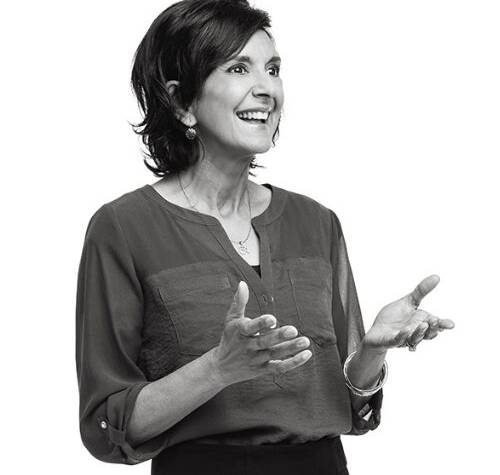
Leadership defines the performance of teams, the growth of organisations and the attitude of people towards the work they handle on a daily basis. In our opinion, leadership does not have to do with titles and power. It concerns action, confidence and being in a position to extract the best in other people. That philosophy lies at the core of our practice at Franklin Covey, where we are concerned with practical leadership habits that make a real difference in the workplace.The same is observed in any industry: there are good professionals who can join the management, but they are not always ready to manage people. And that is where Leadership training Malta programmes come in. Information on how leaders can communicate effectively, establish expectations and develop trust helps them to create more focused and engaged teams.
Leadership begins with the inside.
There is no way that a person can lead a team effectively without being a good leader. We tend to remind leaders that their thinking, how they respond, and the choices they make each day determine the environment they live in. When leaders remain composed when under pressure, are able to listen and then speak, and are responsible for achieving, other people are inclined to do their best work.Self-leadership involves time management, prioritising, and being ethical. These are not “soft” skills. They have direct implications on productivity, morale and performance. During most Leadership training in Malta, it is not uncommon to witness participants being able to recognise that their small personal habits, such as the way they manage meetings or treat mistakes, can make a huge impact on their teams.
The Timeless Effect of the 7 Habits.
The 7 Habits of Highly Effective People is one of the most revered models that we adhere to. These habits are not short-term solutions. They are values which assist leaders to reason in a new way and act intentionally.The habits start with individual responsibility: a proactive attitude, having a clear goal to be achieved, and prioritising what is important. By practising these habits, leaders cease to attribute blame to circumstances and begin to make their own choices. This change is all that can transform the functioning of a complete team.The subsequent habits are working with people. Being win-win oriented, trying to know or to be known by better means, and devising more acceptable solutions jointly assist leaders to establish good relations. The leaders can implement The 7 Habits of Highly Effective People, which will decrease conflicts and increase cooperation.The last habit is related to renewal, i.e. taking care of mental, physical, social and emotional health. Energy-conscious leaders make superior choices and lead by good example to their teams.
Making Learning a Day-to-Day.
Training is only effective when learning becomes action-oriented. This is the reason why we urge leaders to implement ideas in small and incremental steps. We ask leaders to select one or two habits that they would practise every week after the sessions. These little adjustments over time are incorporated into their natural LeadershipLeadership. As an illustration, one of the leaders can begin by simply listening more during meetings. They do not rush in, giving answers, but they ask questions and encourage others to contribute to the ideas. This creates trust in the team and, in most cases, results in superior solutions. A different leader may concentrate on priorities which are evident and assist in ensuring that his or her team uses time in the right area.When leaders apply concepts in The 7 Habits of Highly Effective People, this reflects on their teams. The level of trust increases, communication is more open, and individuals become more responsible towards their work.
Building Workplaces that People Prosper.
Effective Leadership produces work environments where individual people feel appreciated, cherished and driven. It minimises confusion, decreases stress, and assists teams in striving for the common objectives. The organisations have witnessed the change in the way leaders led, which made them move away from solving problems reactively and planning on how to do things.The Malta business environment is tightly knit, and good Leadership has an even greater impact. The leaders not only affect the teams but also their customers, partners and overall the community. Leaders who behave fairly, clearly and in a caring manner enhance the image of the entire organisation.Being a leader is a process rather than an occasion. Any leader will develop with the right support, practice and mindset. We also assist leaders in developing lasting habits by emphasising enduring ideals and taking action, and by shaping teams that people are happy to belong to.


What Is Detach Reset Solar and Why Florida Homeowners May Need It
Solar energy systems are designed to last for decades, but at times the panels have to be …

Commercial Property Maintenance Strategies for Optimal Building Performance
Commercial property maintenance involves the ongoing care and repair of buildings and grounds used …